Hospital Facilities

Endoscopy suite, operation theatre, FibroScan, breath testing, manometry and monitored recovery — planned around the needs of patients who travel to us from across Marathwada.

Facilities

What the hospital provides

Each facility below exists to support a specific clinical need. Where a service is arranged through a partner centre rather than provided in-house, this is stated plainly.

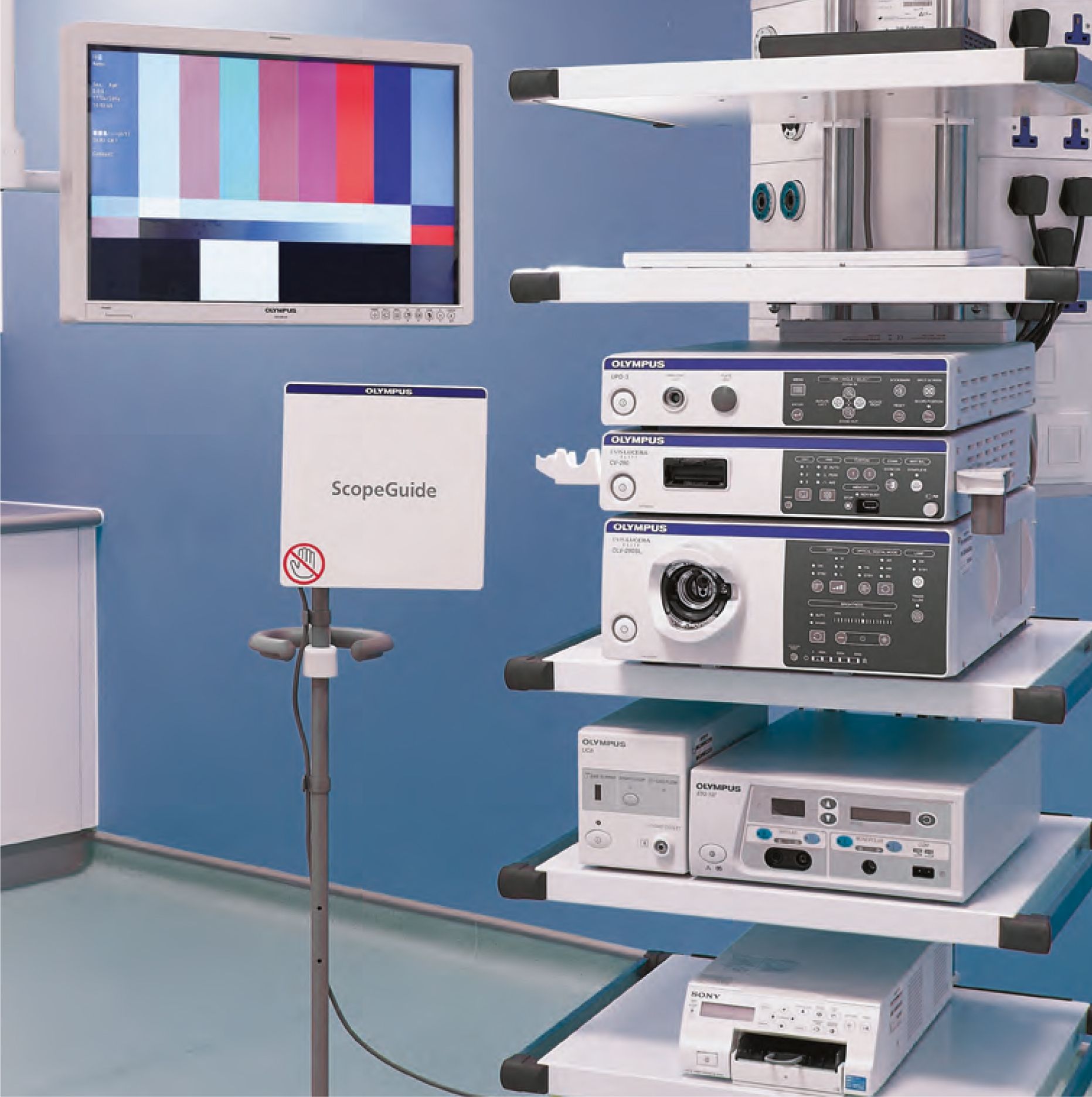
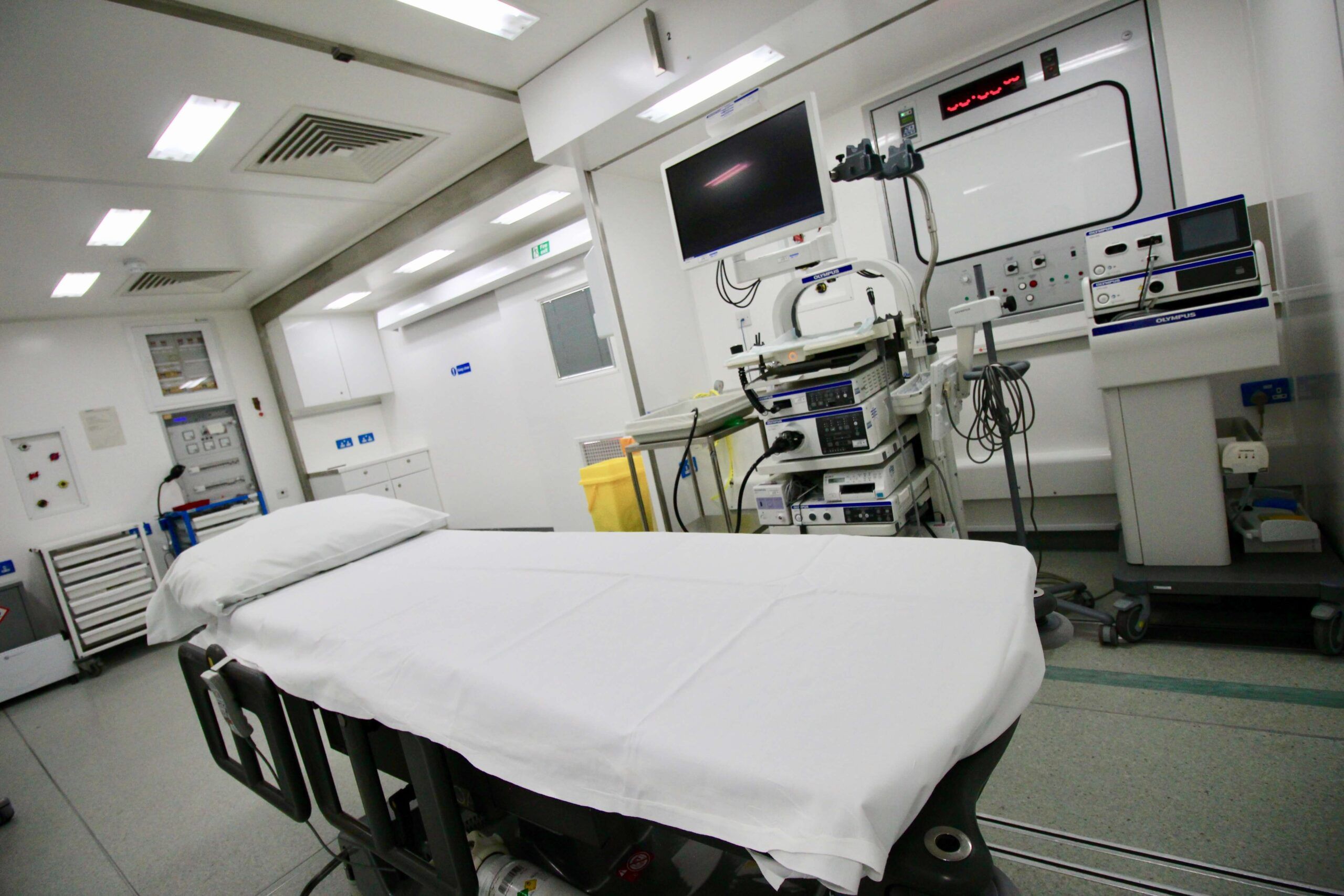
Endoscopy procedure room with an endoscopy system stack, monitor and prepared patient trolley

Dedicated endoscopy suite

Procedure rooms set up for diagnostic and therapeutic upper GI endoscopy, colonoscopy and advanced pancreaticobiliary work, with sedation support, continuous monitoring of oxygen saturation, pulse and blood pressure, and equipment for controlling bleeding.

  • Upper GI endoscopy
  • Colonoscopy
  • ERCP
  • EUS
Endoscopy processor, light source and medical monitor mounted in the procedure room

Endoscopy equipment & image documentation

Video endoscopy systems with image capture, so that findings can be recorded, compared on follow-up and shared with referring doctors. Therapeutic accessories for biopsy, polypectomy, dilatation, band ligation and stenting are stocked.

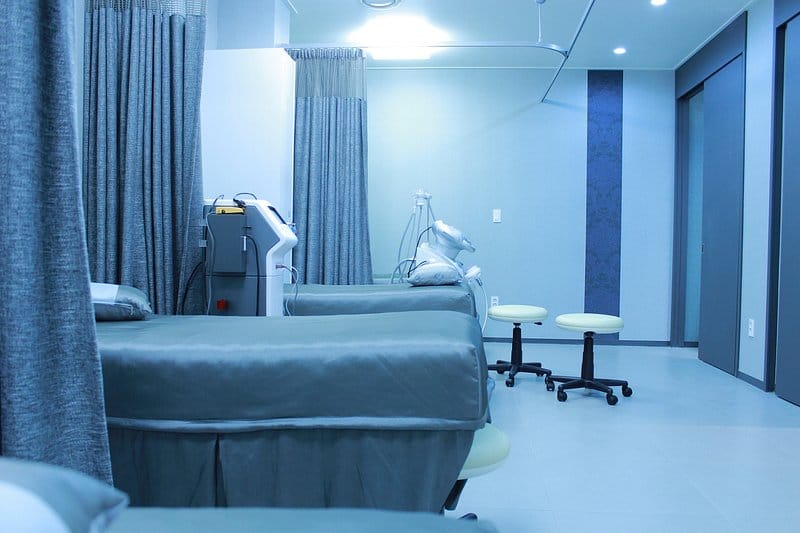
Post-procedure recovery bay with partitioned beds and privacy curtains

Monitored recovery area

Partitioned recovery beds with privacy curtains where patients are observed until the effect of sedation wears off. Written discharge instructions, prescriptions and the next review date are issued before you leave.

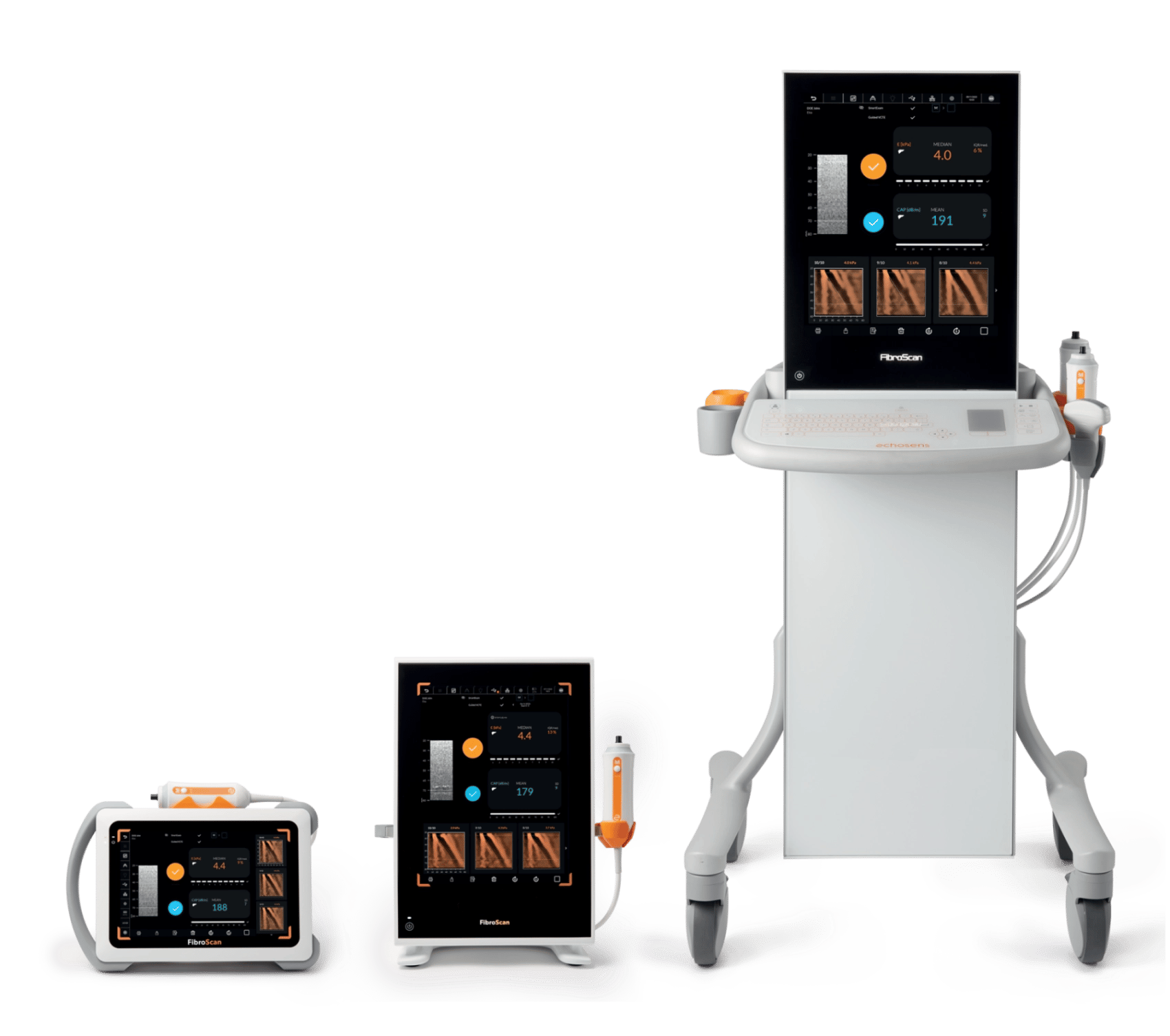
FibroScan transient elastography system for non-invasive liver stiffness measurement

FibroScan & liver assessment

Transient elastography for liver stiffness, with controlled attenuation parameter for liver fat — a painless clinic test taking only a few minutes, used to stage fatty liver, hepatitis and cirrhosis without a liver biopsy in most patients.

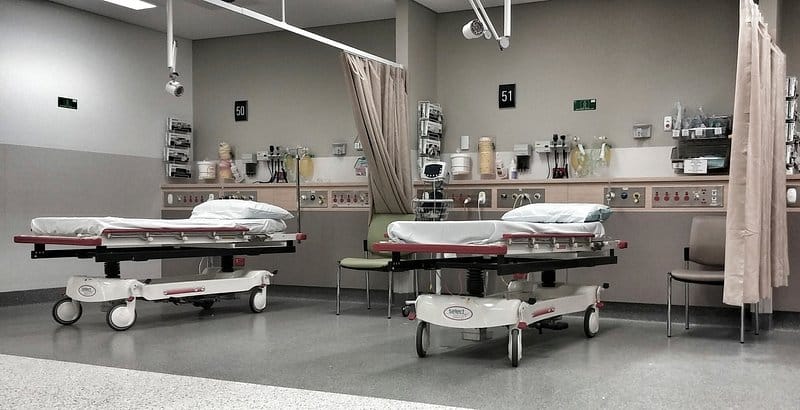
Inpatient bay with hospital beds, privacy curtains and wall-mounted medical gas panels

Inpatient & day-care beds

Beds for observation and short stays after procedures, and for patients admitted during treatment of acute GI bleeding, pancreatitis or complications of cirrhosis. Nursing staff are available for monitoring and medication administration.

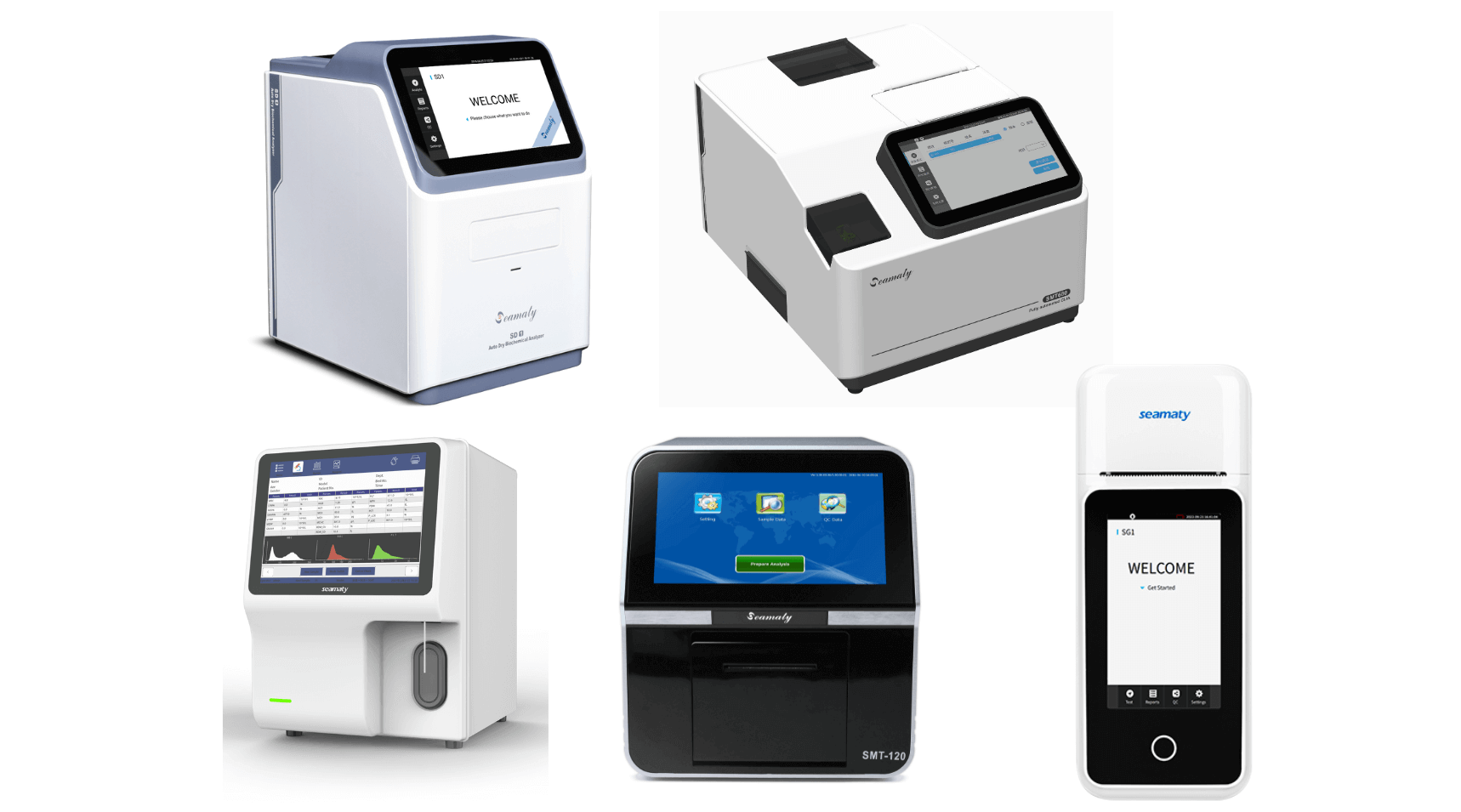
Clinical laboratory analysers for liver function, blood count and biochemistry testing

Laboratory support

Liver function tests, complete blood counts, coagulation studies, renal function and biochemistry, plus serology for hepatitis B and C. Results are available quickly enough to support same-day decisions about procedures.

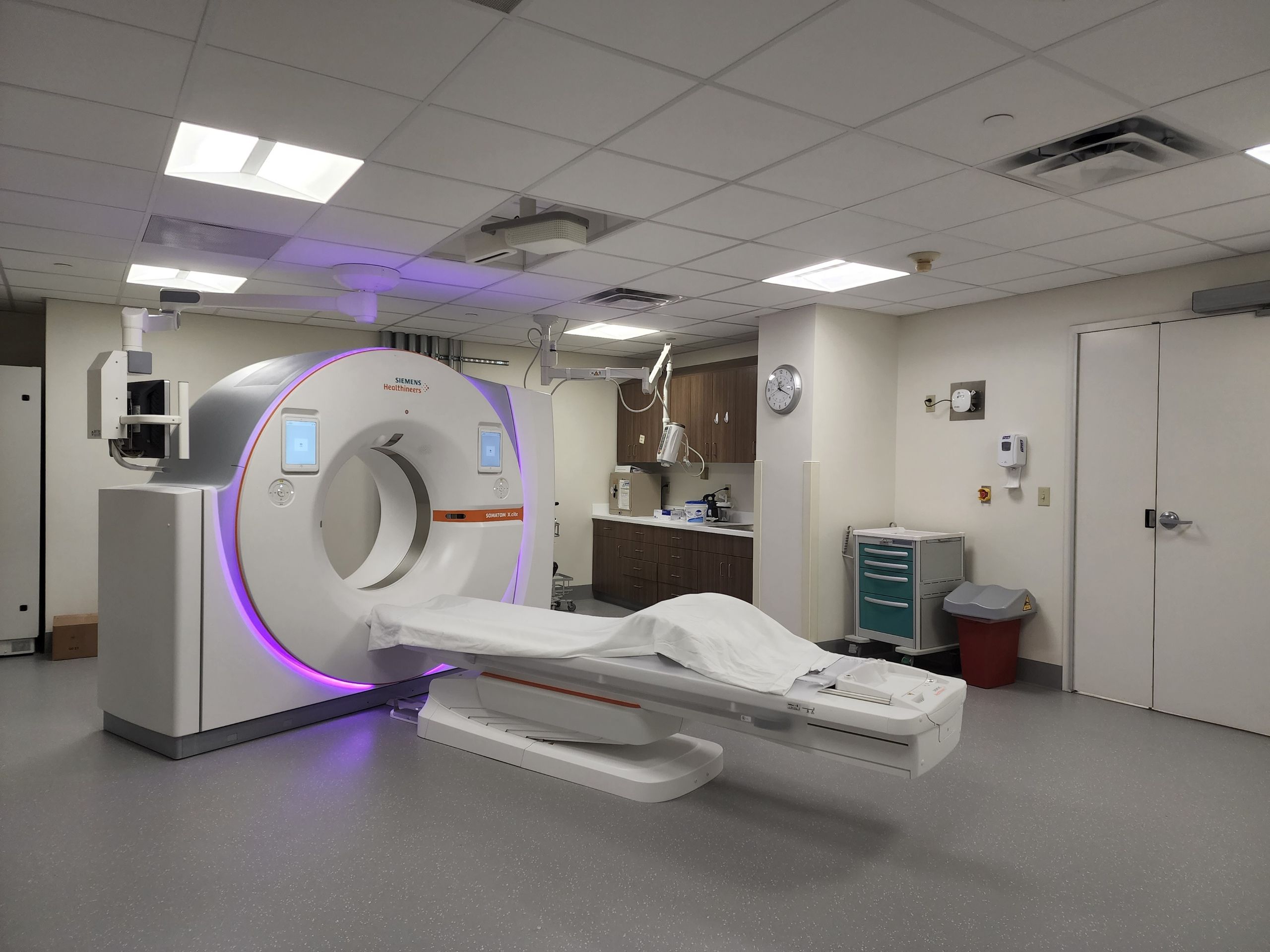
Diagnostic imaging suite with a CT scanner and examination table

Diagnostic imaging access

Abdominal ultrasound is available as part of assessment. CT and MRI for staging liver, pancreatic and biliary disease are arranged in coordination with partner imaging centres, with reports reviewed and explained at your consultation.

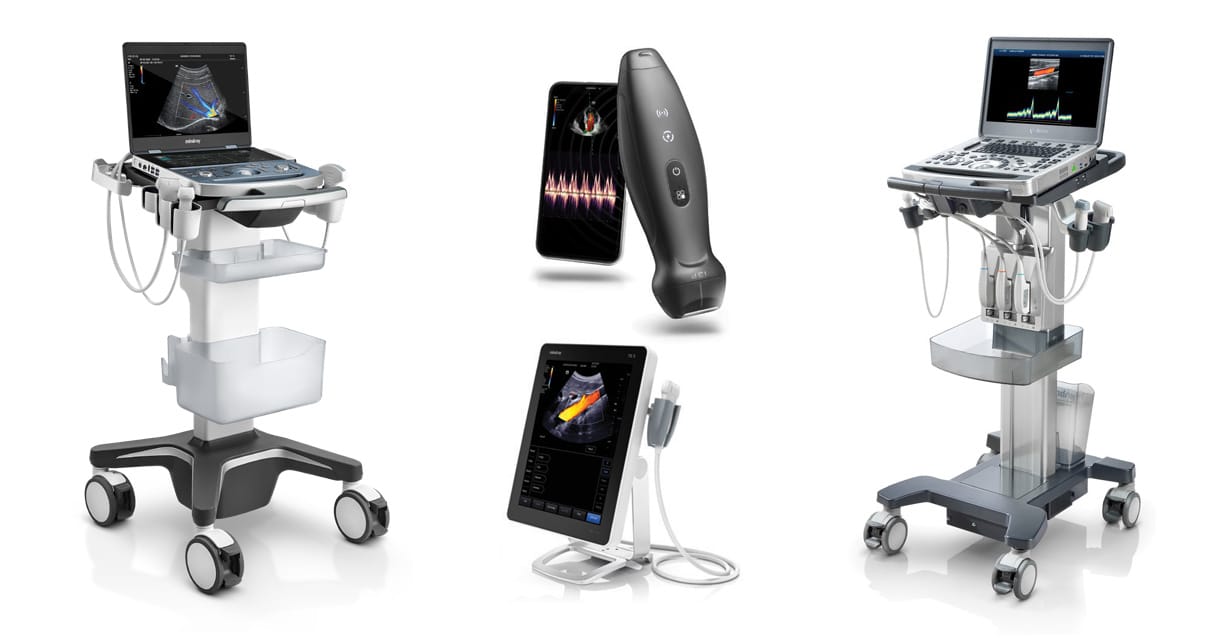
Ultrasound system used for abdominal scanning of the liver, gallbladder and pancreas

Abdominal ultrasound

Ultrasound of the liver, gallbladder, bile ducts, pancreas and spleen — usually the first investigation for abdominal pain, jaundice or abnormal liver tests.

Gut function & surgery

Breath testing, manometry, biofeedback and the operation theatre

Some digestive problems are not visible on a scan or a scope. These tests measure how the gut actually works — how it moves, how the sphincters hold, and whether food and sugar are being absorbed. The operation theatre allows both minor and major gastrointestinal surgery to be performed in the same facility.

Hydrogen breath test

You drink a measured sugar solution and breathe into a collection bag at intervals over roughly two to three hours. The test measures hydrogen produced by bacteria in the gut, which helps identify small intestinal bacterial overgrowth (SIBO) and certain carbohydrate malabsorption. It is non-invasive, needs no sedation, and is often requested when bloating, wind, diarrhoea or abdominal discomfort persist despite a normal endoscopy.

  • SIBO assessment
  • Non-invasive
  • No sedation

Lactose breath test

Specifically for lactose intolerance. After a lactose load, serial breath samples show whether the sugar is being digested or fermented by gut bacteria — a rise in hydrogen indicates lactose malabsorption. This is more reliable than guessing from symptoms alone, and it separates true lactose intolerance from other causes of milk-related bloating. The result guides whether dairy restriction is genuinely necessary for you.

  • Lactose intolerance
  • Diet guidance

Oesophageal manometry

A thin, flexible pressure catheter is passed through the nose into the food pipe. As you take small sips of water, it records the pressure and coordination of the oesophageal muscles and the valve at the lower end. It is used for difficulty in swallowing, achalasia, suspected motility disorders, chest pain of oesophageal origin, and before anti-reflux surgery. Manometry is also what allows a pH catheter to be positioned correctly.

  • Swallowing difficulty
  • Achalasia
  • Pre-surgical assessment

Anorectal manometry

Measures the resting and squeeze pressures of the anal sphincter, the reflexes between rectum and anus, and how much sensation and stretch the rectum registers. It is the key test for long-standing constipation that does not respond to fibre or laxatives, for faecal incontinence, and for assessing the pelvic floor before or after surgery. It commonly explains constipation that has been treated for years without success.

  • Chronic constipation
  • Faecal incontinence
  • Pelvic floor function

24-hour pH monitoring (pHmetry)

A slim catheter is positioned in the lower food pipe and connected to a small recorder worn on a belt for 24 hours. It measures how much acid actually refluxes, how long it stays, and whether your symptoms line up with the reflux episodes. pHmetry is how reflux is confirmed objectively when endoscopy is normal, and it is used before considering anti-reflux surgery. You continue normal meals and activity, and note symptoms and meal times in a diary.

  • Acid reflux
  • 24-hour study
  • Pre-surgical assessment

Biofeedback therapy

Pelvic floor biofeedback is a structured training programme, not a medicine and not an operation. Using the pressure readings from anorectal manometry as visual feedback, you learn to coordinate the muscles used to pass stool or to hold wind and stool. It is most effective for dyssynergic defecation — where the pelvic floor contracts instead of relaxing — and for faecal incontinence. A course usually runs over several sessions, with practice at home between visits.

  • Dyssynergic defecation
  • Incontinence training
  • Course of sessions

Operation theatre — simple and complex gastrointestinal surgery

Theatre facilities that allow both straightforward and complex gastrointestinal operations to be performed in the same operation theatre, so patients are not moved between facilities or referred out for the more advanced procedures. Minor work includes procedures such as abscess drainage, fistula and fissure surgery, haemorrhoidectomy, pilonidal disease and tissue biopsy. Major work includes gallbladder removal, appendicectomy, hernia repair, bowel resection and anastomosis, and emergency laparotomy for perforation or obstruction. Anaesthesia support, sterile processing and post-operative monitoring are available on site.

  • Minor GI surgery
  • Major GI surgery
  • Laparoscopic & open
  • Emergency laparotomy
  • Anaesthesia support

Newly developing in the Marathwada region

Manometry, breath testing and pelvic floor biofeedback have historically required a journey to Pune, Mumbai or Hyderabad. Establishing this functional-diagnostic and therapy service in Chhatrapati Sambhajinagar means patients across Marathwada — including Jalna, Beed, Parbhani, Nanded, Latur and Dharashiv — can be assessed and treated closer to home. The service is being developed in phases, so availability of a particular test on a given day is confirmed at the time of booking rather than assumed.

Functional tests are interpreted together with your symptoms, previous reports and other investigations — a single reading is not a diagnosis on its own. Preparation requirements differ between tests: breath tests and pH studies have specific fasting, diet and medicine rules, and you will be given written instructions when your appointment is confirmed. Please tell us about blood thinners, diabetes medicines and any implanted device before any procedure.

Practical information

Before, during and after your procedure

Before

  1. Your appointment is confirmed by the hospital team, with the date, time and arrival instructions.
  2. You receive written preparation instructions — fasting requirements for upper GI endoscopy, or the bowel-preparation schedule for colonoscopy.
  3. Tell us about every medicine you take, particularly blood thinners, insulin and diabetes tablets, and about any allergy.
  4. Arrange for a responsible adult to accompany you, because sedation makes it unsafe to drive or travel alone afterwards.

During

  1. You are reviewed by the endoscopist, consent is taken, and an intravenous line is placed for sedation.
  2. Monitoring is attached before sedation begins and continues throughout the procedure.
  3. The procedure itself usually takes between ten and forty minutes, depending on what is being done.

After

  1. You rest in the recovery area until you are fully awake and stable.
  2. The findings and the plan are explained to you and your accompanying family member.
  3. You receive a written report, prescriptions and instructions on eating, medicines and warning signs.
  4. Biopsy results, where taken, are discussed at a follow-up visit once the report is available.

Bring your previous records

Old endoscopy films, biopsy reports, ultrasound and CT reports, and current prescriptions meaningfully change the quality of a first consultation. Even a report from several years ago can show how a problem has evolved.

Not provided here

Services we do not offer

Transparency about scope prevents wasted journeys. Gastrointestinal surgery is performed here — both minor procedures and major operations such as gallbladder removal, hernia repair, bowel resection and emergency laparotomy. What follows is outside our scope: GastroCare Hospital does not provide the following, and patients needing them are referred elsewhere.

  • Cardiac procedures, cardiac surgery and coronary angiography
  • Neurosurgery, trauma and accident emergency care
  • Obstetrics, gynaecology and maternity services
  • Orthopaedic surgery and joint replacement
  • Cancer surgery, chemotherapy and radiotherapy administration
  • Dialysis and renal transplantation
  • Paediatric intensive care and neonatal intensive care
  • Bariatric surgery

Emergency situations

For vomiting blood, black stools, severe abdominal pain, or jaundice with fever, please call the hospital first on (phone). If the hospital is unreachable, go to the nearest facility equipped for emergency care rather than waiting.

Floor number, bed count and specific equipment models will be added once verified. Hours and availability of each facility are confirmed at the time of booking.

Plan your visit to GastroCare Hospital

Tell us your location and the procedure you need. We will advise the nearest suitable day and what to bring.